How Design Subscriptions Reduce Vendor Management Overhead
TL;DR
Managing multiple design vendors is exhausting. You chase down freelancers, negotiate contracts with agencies, juggle invoices and hope everything aligns with your brand. Design subscriptions offer a simpler way: one partner, one predictable fee and scalable on‑demand work. By consolidating vendors, companies reduce administrative overhead, ensure brand consistency and speed up time to market. This article explains the hidden costs of vendor sprawl and how subscription models address them.
Introduction
Marketing leaders often run a patchwork of creative resources: freelance designers for social posts, agencies for campaigns and internal teams for product design. Each relationship requires onboarding, briefings, project management, invoicing and quality control. Over time, you spend more time managing vendors than creating work. The alternative? A subscription design service that centralises creative operations under one roof, offering predictable pricing and consistent quality.
The problem with multiple vendors
Time sinks
Every new vendor adds complexity. You need to vet portfolios, negotiate contracts, write briefs and align expectations. Once the project starts, you juggle communication channels, emails, Slack messages, Dropbox links and Trello boards. A report on high‑volume design shows that teams waste hours switching between vendor portals and searching for files. Creative assets scattered across email threads and cloud drives make it a nightmare to keep everything on brand. Marketing teams waste 91 hours per week searching for or recreating assets.
Inconsistent quality
When you work with multiple vendors, styles vary. Freelancers have different aesthetic sensibilities, and agencies may use subcontractors. Over time, your brand voice fractures. Inconsistent visuals lead to confusion and erode trust. Poor brand consistency can reduce revenue by 10–23 % and drive up acquisition costs as customers need to relearn your identity.
Financial unpredictability
Freelancers charge hourly or per project, agencies bill based on scope and retainer fees and emergency projects incur rush charges. Without a steady pipeline, costs fluctuate and budgeting becomes difficult. Negotiating multiple contracts and processing dozens of invoices drains finance and legal teams.
Management overhead
Multiple stakeholders reviewing assets leads to misalignment. You might get social graphics from one vendor and packaging from another, but they don’t talk to each other. You become the glue, translating feedback and enforcing guidelines. This coordination is time‑consuming and subject to errors.
How subscription design solves vendor sprawl
Predictable pricing. Subscription services charge a flat monthly fee for a set level of service. This tiered pricing removes surprise invoices and simplifies budgeting. You know your monthly burn and can plan ahead.
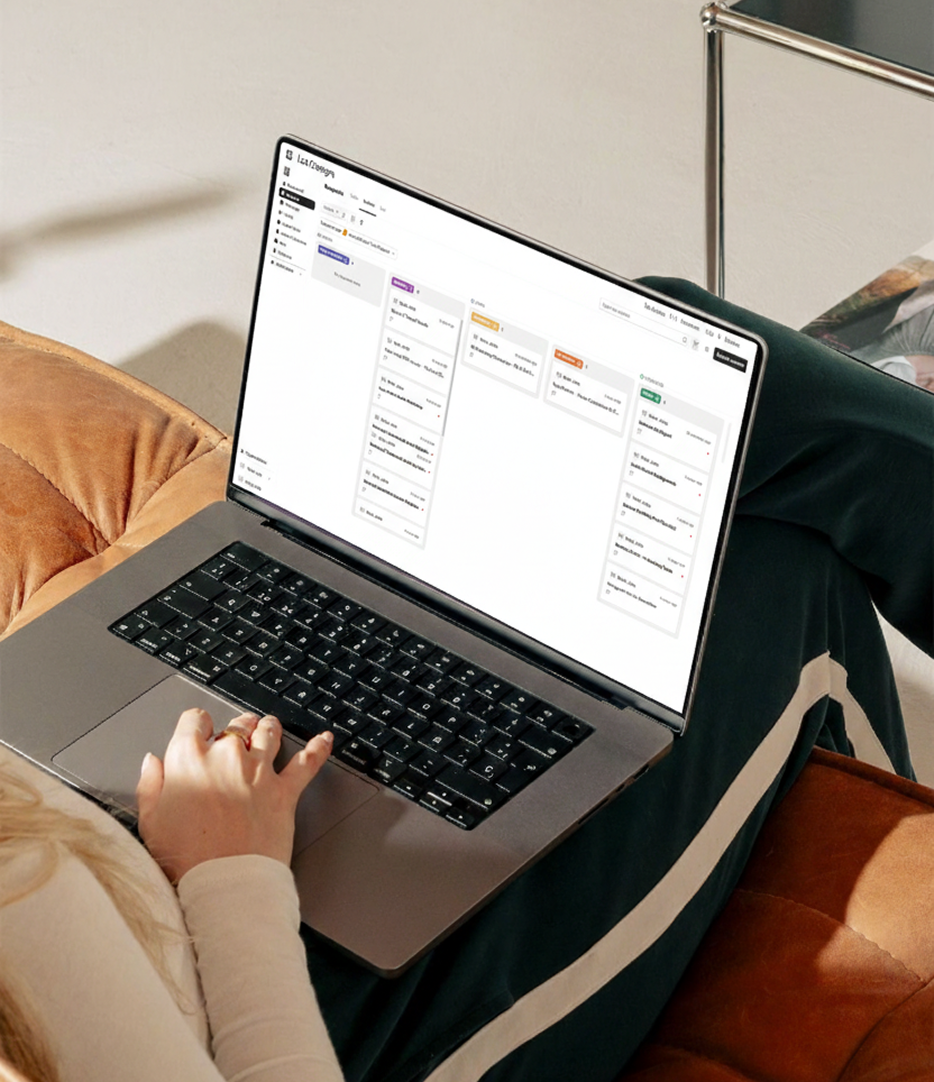
Centralised communication. Rather than emailing multiple freelancers, you work with one account manager and a dedicated design team. Communication happens in a single platform with clear ticketing and feedback workflows. Assets live in a central hub so everyone uses the same files.
On‑demand scalability. Need more capacity? Add a seat or move to a higher tier. Subscription design adapts to your campaign calendar. No need to renegotiate a contract or source new vendors each time you scale.
Standardised processes. Subscription agencies establish consistent briefs, timelines and quality checks. They use design systems to ensure that every deliverable aligns with your brand. This reduces errors and rework.
Improved brand consistency. Working with one team means your visual language stays cohesive. Designers become familiar with your brand and can deliver on‑brand work quickly. A unified partner reduces the risk of mismatched colours, fonts or messaging.
Professional vs. patchwork
Professional subscription model: You sign a monthly agreement with a design partner who assigns a dedicated creative lead. There is a single intake portal, defined service level, clear turnaround times and a design system built to your specifications. Pricing is transparent, and you can scale up or down easily.
Patchwork vendor model: You juggle freelancers and agencies. Each project requires new onboarding, separate contracts and different processes. Communication is scattered, timelines unpredictable and quality inconsistent. Overhead increases as your marketing engine grows.
Steps to transition to a subscription model
- Audit your current vendors. List all designers and agencies you work with, including their costs, specialties and communication channels. Identify duplication and gaps.
- Estimate design volume. Determine your monthly output (e.g., number of assets, campaigns, landing pages). This helps you choose the right subscription tier.
- Select a subscription partner. Evaluate providers on their portfolios, processes, turnaround times, ability to work with design systems and pricing transparency.
- Onboard with your brand system. Provide your brand guidelines, assets and objectives to the subscription team. Collaborate to build or refine a design system that supports cross‑channel consistency.
- Consolidate workflows. Migrate briefs, feedback and approvals into the subscription platform. Phase out interactions with individual freelancers and agencies for tasks covered by the subscription. Keep specialised vendors only where necessary.
Project‑backed proof
At Lot Designs, we’ve witnessed the headaches of vendor sprawl. One client came to us with four freelance designers and two agencies producing assets for different channels. Campaigns launched late because marketing managers spent days tracking down files and aligning feedback. After switching to a subscription model with a unified design system, approval cycles shortened and on‑brand assets shipped in days instead of weeks. The client reported a smoother workflow and the ability to focus on strategic work.
In our Carmex MEA engagement, we provided ongoing subscription design support. The marketing team no longer had to negotiate separate contracts for packaging, social and PR kits. With one partner handling all design requests, the brand achieved consistent visuals across markets and reduced time spent managing vendors.
Strategic takeaways
- Vendor sprawl wastes time and money. Managing multiple designers and agencies creates administrative overhead and inconsistent results.
- Subscription design centralises creative work. Predictable pricing, unified communication and scalable capacity simplify operations.
- Consistency wins. A single team working from a shared system maintains brand integrity and accelerates delivery.
- Do your homework. Audit your current vendors and select a subscription partner that aligns with your output and brand requirements.
Conclusion
Creative work shouldn’t be a maze of contracts, emails and mismatched assets. By consolidating design under a subscription model, you free your team to focus on marketing strategy rather than vendor coordination. Predictable pricing, scalable capacity and consistent quality make subscriptions a smart choice for growing brands. To see how subscription design compares to other models, explore our articles on [Subscription‑Based Design vs Project‑Based Agencies: A Strategic Comparison], [Why Unlimited Design Only Works With Strong Constraints] and [The Real Cost of Waiting on Design Approvals].